
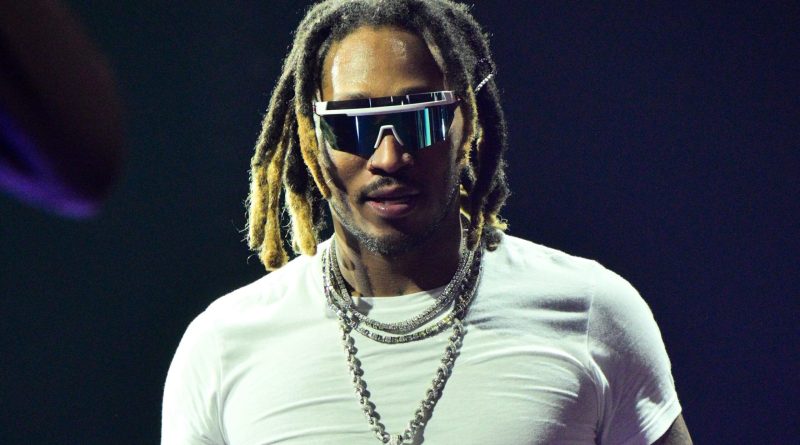
Unstoppable: Future Life and Career Hits 8 Billboard #1s
Who is Future?
Future, whose real name is Nayvadius DeMun Cash (formerly Wilburn), was born on November 20, 1983, in Atlanta, Georgia. He is unequivocally one of the figures who has most shaped the sound of trap and modern rap over the last decade. Combining the roles of a rapper, songwriter, and producer, Future turned Auto-Tune into a dark, melodic, and emotional weapon, creating a style that has profoundly influenced both the Atlanta scene and the entire world.
Today, he is recognized for his prolific output, including both his solo albums and collaborative projects with artists like Drake, Metro Boomin, Young Thug, and Lil Uzi Vert. His achievements are substantial: consecutive number-one albums on the Billboard 200, Hot 100 chart-toppers, and multiple Grammy awards mark the success of the Future life and career.
Early Period: From the Streets of Atlanta to the Dungeon Family Legend
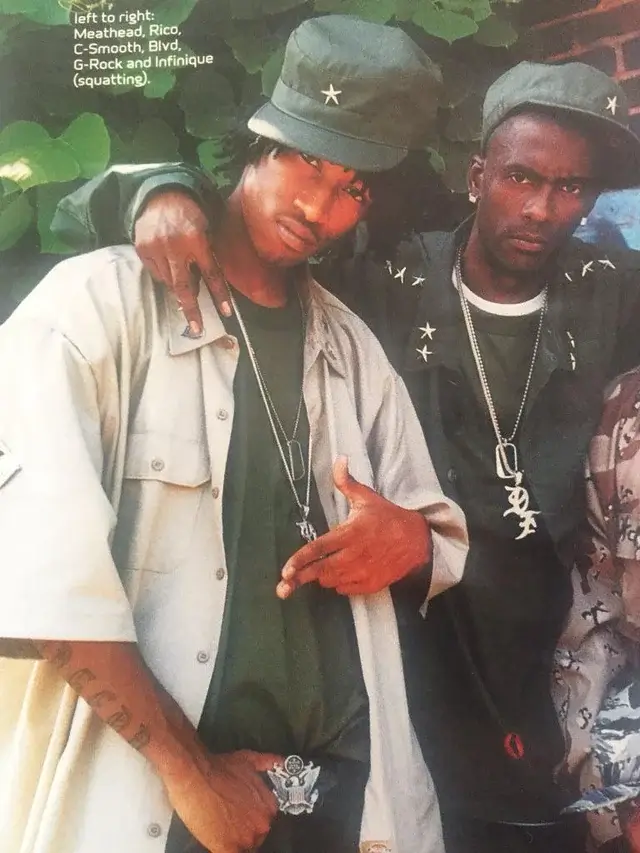
Future grew up in Atlanta and attended Columbia High School. According to his own account, a pivotal turning point in his life occurred during his youth when he was shot in the hand, which motivated him to focus entirely on music.
He took his first steps into music with the legendary Atlanta collective, the Dungeon Family. He initially joined the group under the moniker “Meathead,” later adopting the nickname “The Future” within Da Connect, a smaller subgroup—a name that stuck as his stage name.
His cousin, Rico Wade, a member of the Organized Noize team who operated “The Dungeon” studio, is a key figure in Future’s story. Wade constantly pressured him to develop his writing skills, steering him away from the streets and guiding him to confine himself to the studio. Years later, Future would refer to him as “the architect of my voice and vision.” It was during this period that Future received a songwriting credit on Ludacris’s track “Blueberry Yum Yum,” marking his first professional recognition.
Mixtape Years: From Strip Clubs to the Mainstream
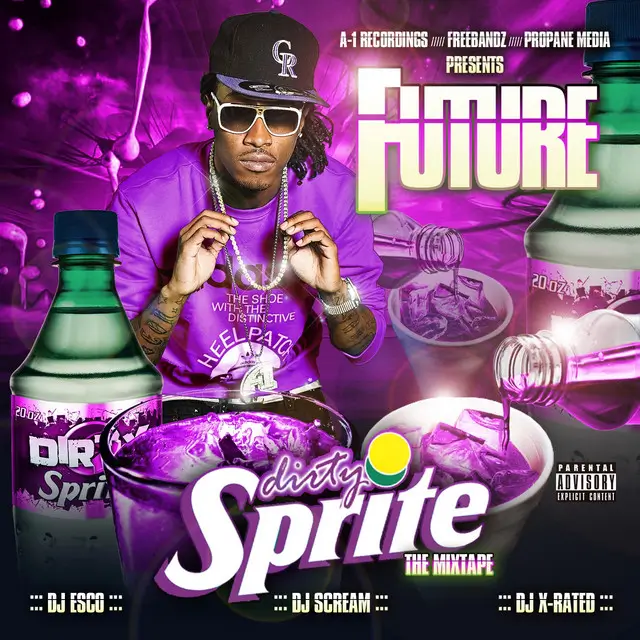
By the 2010s, Future was one of the most talked-about names on the Atlanta scene. Thanks to the mixtapes he uploaded to the internet and especially the songs played in local strip clubs like Magic City, he became a local phenomenon. The groundwork for Future life and career was being laid here.
Critical steps during this period included:
- Mixtapes like Dirty Sprite, True Story, and Streetz Calling.
- Street-smash singles such as “Tony Montana.”
- Signing deals with A1 Recordings and subsequently Epic Records through Atlanta rapper Rocko.
After 2011, the path was fully open: Future was the new-generation trap star whose music began spinning simultaneously on the streets and on the radio.
From Pluto to Honest: First Albums and Breakthrough
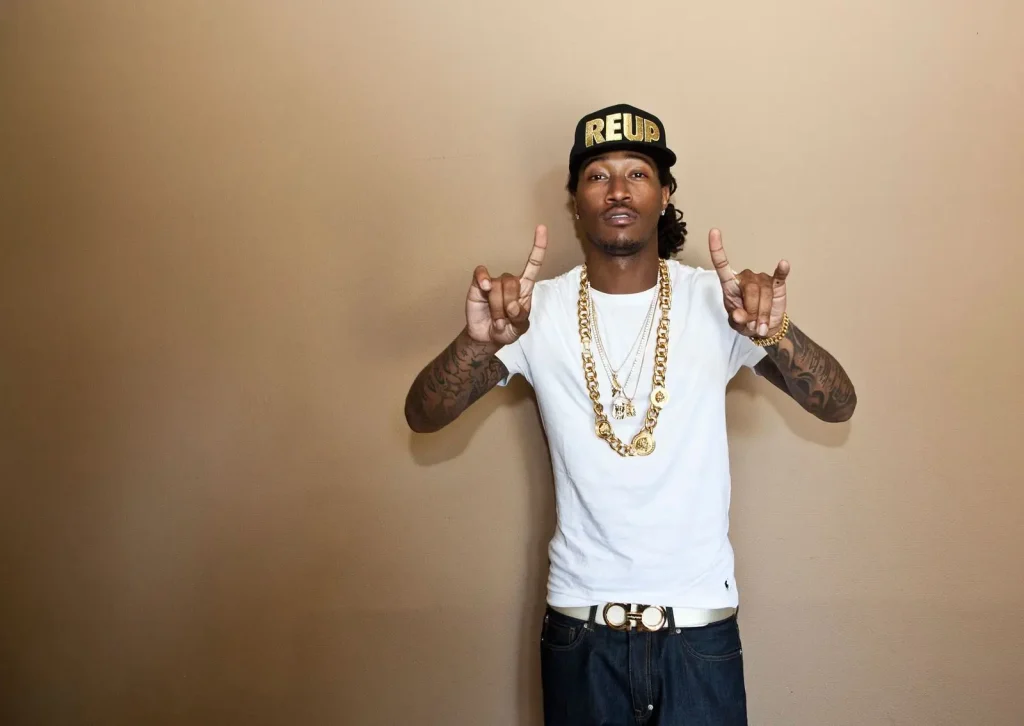
Future’s debut studio album, Pluto, was released in 2012. The album successfully blended Future’s Auto-Tuned melodic vocals with hard trap beats, opening the doors to the mainstream entirely. Singles from the album, such as:
- “Turn On the Lights”
- “Same Damn Time”
These tracks heavily rotated on both the charts and in clubs, carrying Future’s name to listeners outside the US.
The second album, Honest, which arrived in 2014, featured collaborations with giants like Kanye West and Pharrell Williams, proving that Future was no longer “just Atlanta’s player, but a player in the entire rap world.” Singles like “Move That Dope” and “I Won” received positive reviews from critics and achieved platinum success.
The Auto-Tune Revolution: Why Future’s Sound is So Influential
When discussing Future life and career, the most emphasized point is his unique use of Auto-Tune. His vocals possess an aesthetic that is grimier, hazier, and more emotional than the clean, melodic T-Pain style of Auto-Tune.
According to Wikipedia and numerous critics, Future is considered one of the pioneers of Auto-Tuned melodies in trap and hip-hop. This style has led him to be referred to as “one of the most influential rappers of his generation.”
The lineage that stretches from Lil Uzi Vert to Young Thug, and even to many new-generation melodic trap artists, follows the path carved by Future. While the “mumble rap” label has sometimes been a subject of criticism, his “drunk and hazy” vocal style—which filters emotion—has become one of modern rap’s signature sounds.
DS2 Era: The Peak of Darkness
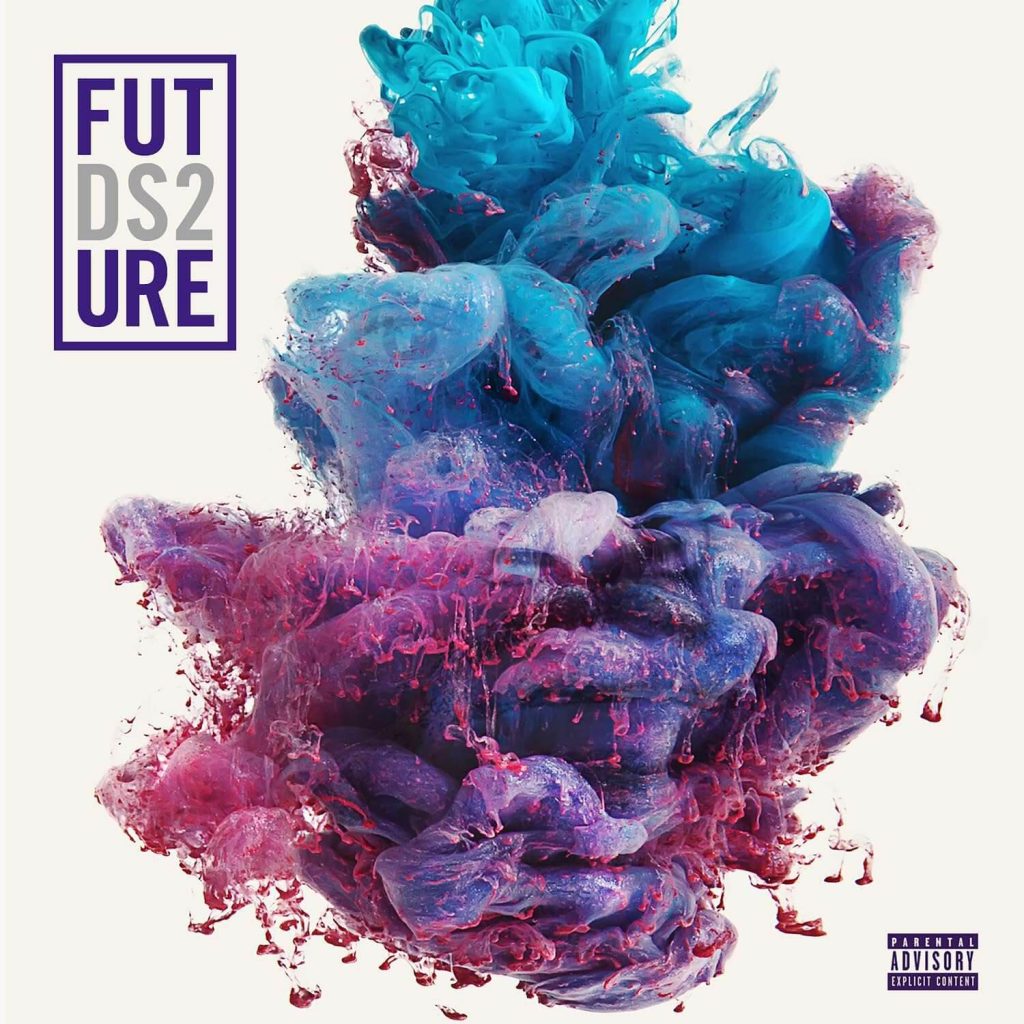
The period between 2014 and 2015 was marked by an explosion of productivity for Future.
- The mixtape trilogy: Monster, Beast Mode, and 56 Nights.
- The flawless chemistry established with producers like Metro Boomin, Southside, and Zaytoven.
Following this trilogy, DS2 (Dirty Sprite 2), released in 2015, is still hailed today as one of trap’s classic albums. The album debuted at number 1 on the Billboard 200, propelling Future’s dark, drug-referenced, and internally conflicted world to the mainstream pinnacle. Tracks like “Where Ya At” (featuring Drake) demonstrate how well Future managed to bridge the gap between the street and popular rap.
Future & HNDRXX: Two Consecutive Peaks
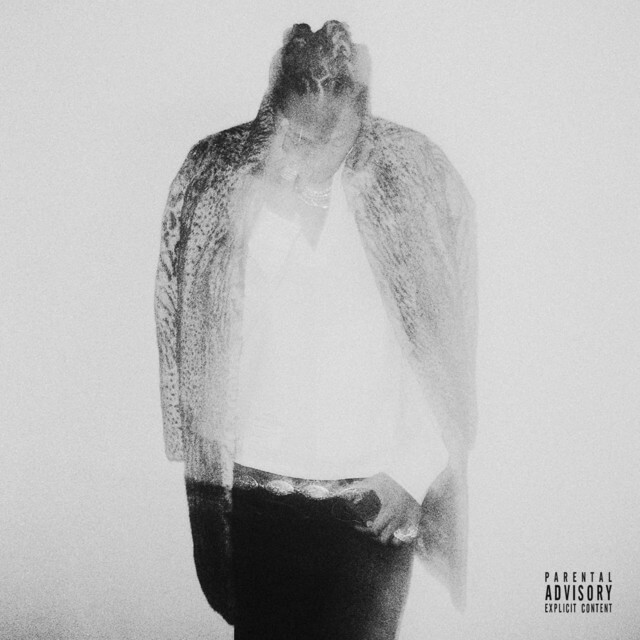
In 2017, Future achieved something very few names in music history have accomplished.
- He released his self-titled album, Future, one week, which debuted at number 1 on the Billboard 200.
- The very next week, Hndrxx was released, and it also debuted at number 1 on the chart.
Thus, Future became the first artist in Billboard 200 history to reach the top with two different albums in two consecutive weeks. “Mask Off,” from the Future album, became a global hit thanks to its flute melody and its social media remix culture. On the Hndrxx side, there was a more melodic, R&B-leaning Future, proving that he was not a one-dimensional trap artist but one who could easily explore his emotional side. This was a peak moment for the Future life and career.
The Wizrd, High Off Life, and the “Life Is Good” Effect

The Wizrd, which arrived in 2019, was a broad project that summarized Future’s long story and explored his personal side. Following this, High Off Life, released in 2020, found great success with the Drake collaboration “Life Is Good.” The track later received a diamond certification, becoming one of the most commercially potent hits of Future’s career.
“Life Is Good” is considered one of the works that symbolizes the rap aesthetic of that era with its beat, which splits into two parts, and its music video, once again showcasing Future’s tripartite focus on “work obsession, luxury, and dark thoughts” in the clearest possible way.
I Never Liked You and “Wait For U”: Another Period at the Top
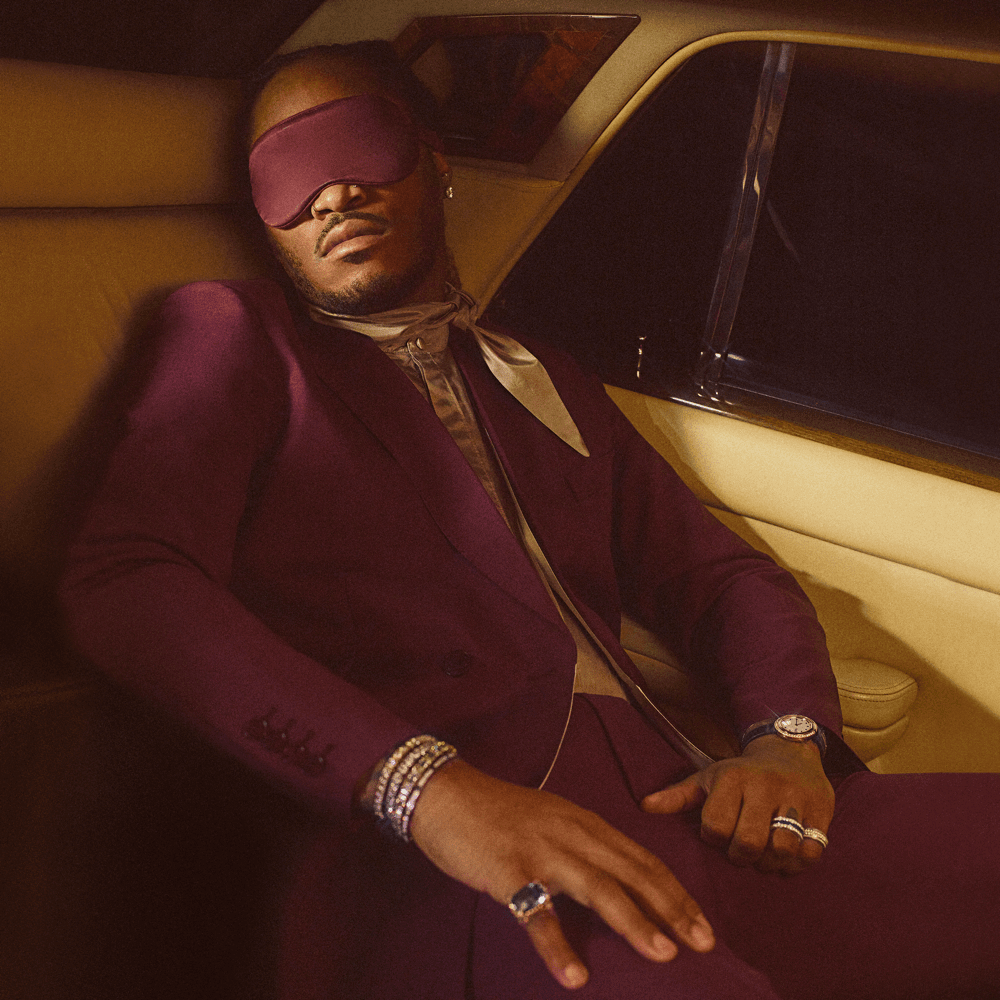
I Never Liked You, released in 2022, was Future’s ninth studio album and entered the Billboard 200 at number 1, becoming the rapper’s eighth chart-topping album.
The album’s biggest hit was undoubtedly “Wait For U.” The song, featuring Drake and Tems:
- Debuted at number 1 on the US Billboard Hot 100 chart.
- Became Future’s second Hot 100 number 1, but his first as a lead artist.
- Made history as Drake’s 10th and Tems’ first number 1.
- Won the Grammy Award for Best Melodic Rap Performance; the album also received a nomination for Best Rap Album.
“Wait For U,” which nods to R&B with a sample taken from Tems’ song “Higher,” allowed Future to discuss the complex triangle of toxic relationships, jealousy, and longing with a calm but heavy tone.
Metro Boomin Collaboration: The We Don’t Trust You Era
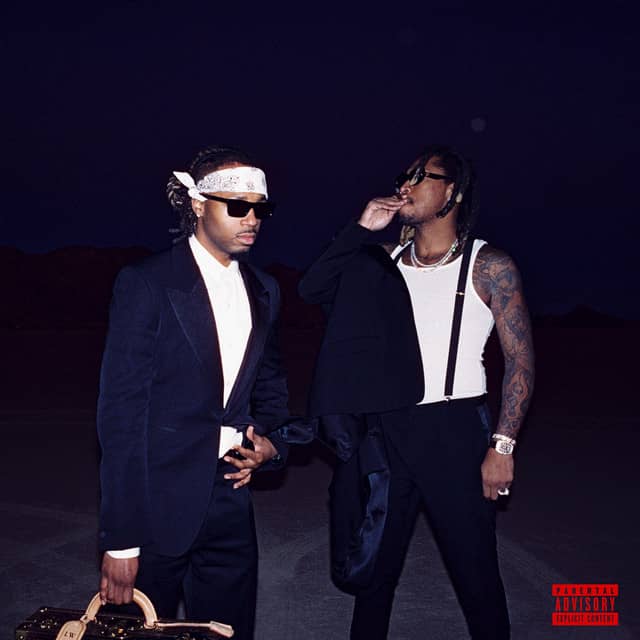
The year 2024 can be considered a milestone for the collaboration between Future and producer Metro Boomin. The duo released two collaborative albums in quick succession:
- We Don’t Trust You
- We Still Don’t Trust You
Both albums secured the number 1 spot on the Billboard 200 chart, continuing Future’s string of consecutive chart-topping projects. Kendrick Lamar’s aggressive verses targeting Drake and J. Cole on the track “Like That” from the first album ignited the major rap beef of 2024, and the song became the third Hot 100 number 1 of Future’s career.
While some critics praised the albums as a “modern rap manifesto,” others criticized the lengthy tracklist and repetition of tone. Despite this, the projects successfully reintroduced Future’s dark and paranoid trap narrative to the new generation. Mixtape Pluto, released the same year, brought another statistic that etched Future life and career into history: he became the first hip-hop artist to have three different projects hit number 1 on the Billboard 200 within the same calendar year.
Collaborative Projects and the Freebandz Empire
Future’s life and career is not solely defined by his solo albums. One of the defining characteristics is the constant collaborative projects and the ecosystem he built around Freebandz:
- What a Time to Be Alive (2015) – A collaborative project with Drake, dominating clubs with “Jumpman.”
- Super Slimey (2017) – With Young Thug.
- Wrld on Drugs (2018) – With Juice WRLD.
- Pluto x Baby Pluto (2020) – With Lil Uzi Vert.
He continues to launch new artists through his own label, Freebandz, while successfully remaining at the center of trap music.
Personal Life, Children, and the “Toxic King” Image
Future’s personal life has received as much public attention as his music. His seven children from different relationships over the years, particularly his son Future Zahir from his relationship with Ciara, have frequently been in the media spotlight.
On social media, Future has recently become the protagonist of “toxic king” memes. The narrative of the indifferent, emotionally distant, yet deeply fragile man in his songs has become both a subject of criticism and humor. However, this “toxic” image has transformed him into a cultural figure through his way of expressing the contradictions in modern relationships.
Awards, Records, and Legacy
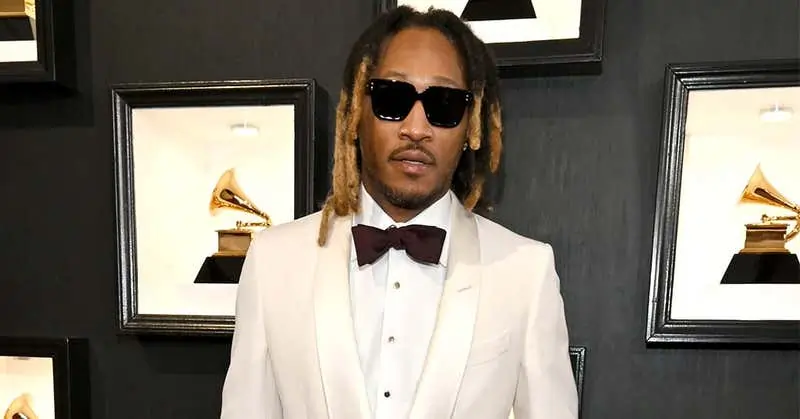
Some of the notable highlights of Future life and career in terms of awards and statistics:
Hundreds of entries on the Hot 100 chart, making him one of the most charted artists in modern rap history.
3 Grammy Awards, with a total of 15 nominations.
The hip-hop artist with the most number-one albums (16 projects) on the US Top Rap Albums chart.
Multiple albums hitting number 1 on the Billboard 200.
Conclusion: Why Future’s Life and Career is So Important
The Future life and career is a story of continuous productivity, rising from the underground strip clubs of Atlanta to the global charts, marked by both highs and lows.
- His transformation of Auto-Tune into a dark and melodic weapon.
- His ability to combine mixtape culture with album success.
- His long-standing partnerships with producers like Metro Boomin.
- Producing period-defining hits like “Mask Off,” “Life Is Good,” “Wait For U,” and “Like That.”
These factors cement him as one of the most powerful figures in modern trap.
Today, looking at any new-generation trap/hip-hop artist, it is possible to see the shadow of Future somewhere—in the melodic mumble rap vocals, the emotional yet raw lyrics, and the brave use of Auto-Tune. And this shadow will likely remain over the hip-hop scene for many years to come.
Don’t Miss These! Our Most Popular News
Aşağıdaki bağlantılar, bu konuyla alakalı veya okuyucularımızın en çok ilgi gösterdiği diğer haberlerimizdir.
- Şok! Drake Telif İhlali İddiasıyla Yargılanıyor
- 5 Şok Edici İddia: NBA YoungBoy Zero IQ Freestyle ile Ateş Püskürüyor
- 4 Şüpheli: Tekashi 6ix9ine Ev Soygunu Görüntüleri ve Annesiyle İlgili Şok Detaylar
Get the Latest News on Your Phone
Don’t forget to follow us on social media to instantly receive the latest news, breaking developments, and exclusive analysis!
| Platform | Bağlantı/Takip Et |
| @horlastatl | |
| Twitter (X) | @horlastatl |
| E-posta Bülteni | Abone Olun! |
References
- Billboard – Future Discography & Chart History
- Rolling Stone – Future’s Influence on Trap Music
- Complex – Future: Career Timeline & Major Releases
- GQ Magazine – Future Cover Story: Life, Family, Music
- Pitchfork – Future Album Reviews & Interviews
- TMZ – Future News & Public Appearances
- Wikipedia – Future (Background Information & Early Life)
dddd